
Is Moving to Canada Worth It? What One Healthcare Professional's Journey Teaches Us About Building a Life in Canada
Hello Curious,
If you've ever typed "Is moving to Canada worth it?" into Google, you're not alone.
It's one of the most common questions I hear from people who are thinking about immigrating to Canada, and honestly... it's a fair question.
But over the years, I've started to think we may be asking the wrong one.
Not because moving to Canada isn't worth it.
But because immigration is only one part of the journey.
Getting your study permit, work permit, permanent residence (PR), or even Canadian citizenship is a milestone. Building a life after that is an entirely different process.
That's exactly why I created the **Mom-Versations** series.
Not to debate whether Canada is "good" or "bad."
Not to convince anyone to move here.
And certainly not to tell anyone what decision they should make.
The goal is to have honest conversations about the parts of immigration that don't always make it into the application guides, policy announcements, or immigration checklists.
Because immigration doesn't end after PR.
It changes form.
And sometimes, the biggest decisions begin after you've already arrived.
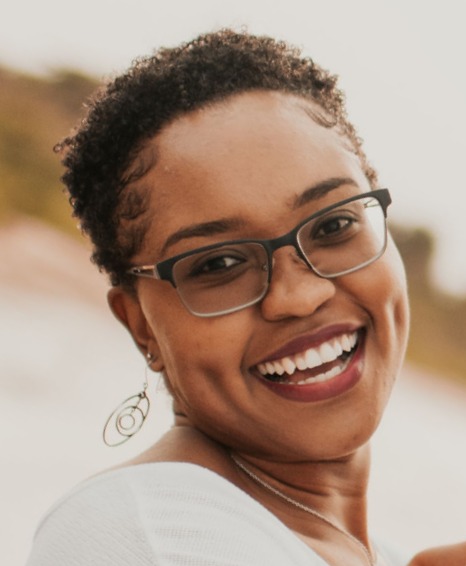
In the latest episode of Mom-Versations, I sat down with Onyeka, an immigrant, a mom, and a mental health nurse whose journey reminds us that building a life in Canada rarely follows a straight line.
She didn't arrive in Canada planning to become a nurse.
In fact, she had already trained and practised as a pharmacist before moving to Canada. She came to Canada to pursue a Master's degree in Public Health, expecting that her next chapter would build on the career she had already started.
Life, however, had other plans.
Rather than summarize her entire story here, I want to use parts of our conversation to explore something that I think many newcomers—and many of the professionals who support them—can relate to.
What happens when your immigration journey intersects with career decisions, family responsibilities, finances, and the reality of building a life in Canada?
Why Do Some Immigrants Change Careers After Moving to Canada?
One of the things I appreciated about my conversation with Onyeka was that she didn't present her journey as a success story or a struggle story.
She simply shared what happened.
When she arrived in Canada, her plan wasn't to become a nurse.
She had already built a career as a pharmacist before coming to Canada and was exploring opportunities after completing her Master's degree in Public Health. Like many newcomers, she started looking for work in the field she had prepared for. When those opportunities didn't materialize the way she expected, she began looking at other options.
At one point in our conversation, she described looking into the process of becoming a licensed pharmacist in Canada. After seeing what the process involved, she admitted that it felt intimidating. Rather than pushing through a path that no longer felt right for her, she remained open to another opportunity that eventually led her into nursing.
That part of the conversation made me pause.
Not because changing careers is unusual.
But because so many immigrants arrive in Canada believing their journey has already been mapped out.
Study.
Graduate.
Get a job.
Build a life.
Simple... right?
Sometimes.
Sometimes not.
One thing I've learned through my own journey—and through hundreds of conversations with immigrants over the years—is that immigration has a way of asking us to be flexible.
The career you imagined may not be the career you eventually build.
Not because you've failed.
Not because your education wasn't valuable.
But because life happens.
The job market changes.
Your interests evolve.
Your family grows.
An opportunity opens that you never considered before.
Or you simply discover that the life you want looks different than the one you pictured when you first started planning your move to Canada.
That doesn't mean you should abandon your goals.
It does mean you should leave room for your goals to evolve.
If you're considering moving to Canada, or you've recently arrived, here are a few questions worth asking yourself:
If my first career plan doesn't work out exactly as expected, what are my alternatives?
Am I open to gaining additional education or training if it helps me reach my long-term goals?
Have I researched what it actually takes to work in my profession in Canada?
What skills do I already have that could transfer into another role or industry?
Am I building a career, or am I building a life?
Notice I didn't ask whether moving to Canada is worth it.
That's because I don't think there's one answer to that question.
For some people, the path is relatively straightforward.
For others, it includes unexpected detours.
The important thing is understanding that a detour isn't always a dead end.
Sometimes it's the path that leads you exactly where you needed to go.
Later in our conversation, Onyeka shares why that career change ended up giving her flexibility she hadn't originally considered, especially after becoming a mother. I'll let her tell that part of the story herself because it's one of those moments that's better heard than summarized.
Building a Life in Canada Is About More Than Finding a Job

One thing I try to remind people in this community is that immigration has seasons.
The first season is usually about getting here.
The paperwork.
The visa.
The study permit.
The work permit.
Permanent residence.
Sometimes citizenship.
Those milestones matter.
Celebrate them.
But eventually, immigration starts asking different questions.
Questions like:
"Can I afford to go back to school?"
"How far away do I want to live from family?"
"Who do I call if I need help with my kids?"
"Is this career still the right fit for the life I'm trying to build?"
Those aren't immigration questions.
They're life questions.
And yet, they are some of the biggest decisions many newcomers will make.
One of the themes that came up throughout my conversation with Onyeka was that every decision affected another.
Her education affected her career.
Her career affected her work schedule.
Her work schedule affected childcare.
Childcare affected family life.
Family life influenced financial decisions.
None of those decisions happened in isolation.
That's one of the reasons I often say:
Building a life in Canada is more than getting PR.
Permanent residence gives you legal status.
It doesn't automatically give you community.
It doesn't automatically build your support system.
It doesn't automatically answer questions about childcare, career direction, finances, or where you'll eventually call home.
Those things are built.
Sometimes slowly.
Sometimes intentionally.
Sometimes through trial and error.
And sometimes by listening to the people who have already walked a similar path.
That's one of the reasons I wanted to create Mom-Versations.
Not because every immigrant is a mother.
But because motherhood has a way of exposing questions many immigrant families eventually face.
Questions about identity.
Support.
Belonging.
Career.
Money.
And what success actually looks like once you've settled in Canada.
Whether you're a parent or not, I think those conversations have something to teach all of us.
Practical Takeaways for Anyone Building a Life in Canada
Every immigration journey is different, so I don't believe there's a checklist that guarantees success.
What worked for Onyeka may not be the path that's right for you.
But our conversation did leave me thinking about a few questions that are worth asking, whether you're still planning your move or you've already been in Canada for years.
Research the Profession You Want, But Also Research the Path to Get There
When we're planning a move, it's easy to focus on the destination.
"Canada needs healthcare workers."
"There's demand for my profession."
"I'll find a job when I get there."
Maybe.
But it's worth digging a little deeper.
What does licensing look like?
Will you need additional education?
How long could the process take?
Are there different career paths that still align with your long-term goals?
The more questions you ask before making a decision, the fewer surprises you'll have after you arrive.
Leave Room for Your Plan to Evolve
One of the things I appreciated about Onyeka's story is that she stayed open to a different path.
She didn't arrive intending to become a nurse.
Life happened.
New information came along.
A different opportunity presented itself.
That doesn't mean you should give up on your goals.
It means it's okay if your journey doesn't look exactly the way you imagined it would.
Sometimes changing direction isn't giving up.
Sometimes it's moving forward in a different way.
Think Beyond Getting PR
If you've followed this community for a while, you've probably heard me say this before.
PR is important.
Citizenship is important.
But immigration doesn't end after you receive your documents.
Eventually you'll start asking different questions.
Where do I want to raise my family?
Who is my support system?
Can I afford to go back to school?
Am I building the career—and the life—I actually want?
Those questions don't show up on an immigration application, but they shape your experience just as much.
Build Your Community Before You Need It
One of the recurring themes throughout the Mom-Versations series is that the village doesn't automatically transfer when you move countries.
Community looks different for everyone.
For some people it's family.
For others it's church, neighbours, coworkers, friends, or other newcomers who understand what you're navigating.
However you build it, don't underestimate its value.
Life has a way of reminding us that we were never meant to do everything alone.
Remember That Every Immigration Story Is Different
One of the reasons I enjoy having these conversations is because no two stories are exactly alike.
Some people continue in the profession they trained for.
Others change careers.
Some settle quickly.
Others take a little longer to find their footing.
That doesn't make one journey better than another.
It simply reminds us that immigration isn't one story.
It's thousands of stories, each shaped by different opportunities, different challenges, different priorities, and different definitions of what a "better life" looks like.
That's why I encourage people to listen to as many lived experiences as possible.
Not so someone else's story becomes your expectation.
But so it becomes one more piece of information that helps you make informed decisions about your own.
The Conversation Doesn't End Here
When people ask me, "Is moving to Canada worth it?" I don't think there's a single answer.
What I do think is that the more you understand about life beyond the immigration process, the better equipped you'll be to make decisions that are right for you and your family.
That's why I believe lived experiences matter.
Not because one person's story becomes everyone's story.
But because every conversation adds another perspective.
Another lesson.
Another question you may not have thought to ask.
Onyeka's journey is one example of what building a life in Canada can look like. It includes career changes, motherhood, difficult decisions, unexpected opportunities, and the ongoing process of creating stability in a new country.
There are moments in our conversation that I intentionally didn't unpack in this article because they're better experienced than summarized. Hearing someone tell their own story, in their own words, often provides context that no blog post can capture.
If you're considering moving to Canada, navigating your own settlement journey, supporting newcomers professionally, or simply interested in the realities of building a life here, I encourage you to watch the full conversation.
🎥 Watch the full Mom-Versations episode: Is Moving to Canada Worth It? An Immigrant Mom's Honest Story
And if this conversation resonates with you, I hope you'll explore the rest of the Mom-Versations series.
Each episode looks beyond visas, work permits, permanent residence, and citizenship to explore the parts of immigration we don't always talk about—career transitions, family, caregiving, financial decisions, identity, community, and what it really takes to build a life in Canada.
Because immigration doesn't end after PR.
It changes form.
And sometimes, the conversations we need most begin after we've arrived.
I'd Love to Hear From You
Whether you're planning your move to Canada, already settled here, or work with newcomers every day, I'd love to know:
What's one thing you wish someone had told you before you started building your life in Canada?
Share your thoughts in the comments below. Your experience might be exactly what someone else needs to hear.
Stay curious,
Kristina


Comments